

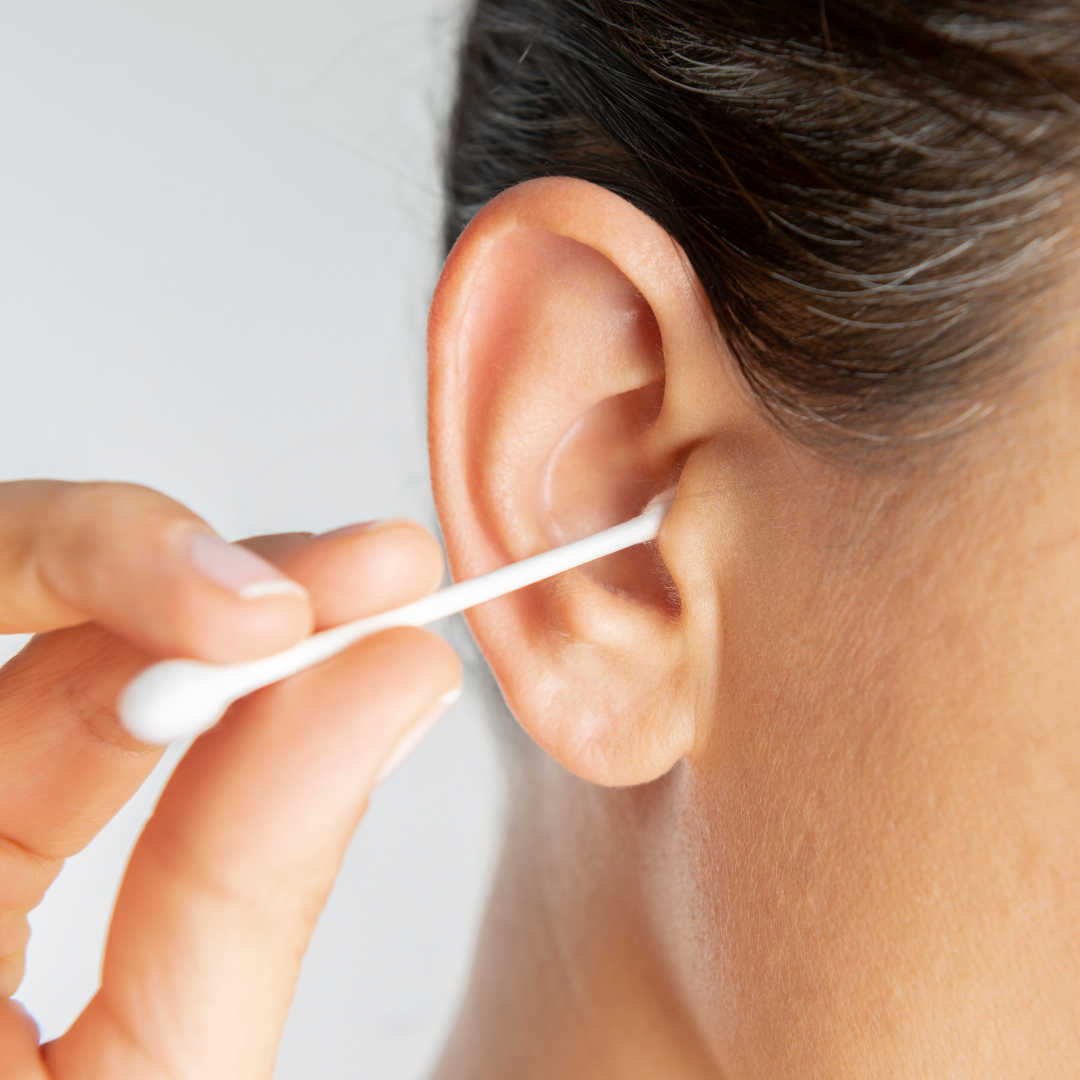
Although cotton swabs appear to offer an easy hygiene solution, pushing them into the ear canal often worsens wax accumulation and risks tissue trauma. Our audiology team evaluates whether cerumen accumulation requires clinical extraction and suggests techniques tailored to your auditory health. Ear canals typically maintain themselves without assistance; nonetheless, if stubborn buildup develops, we help individuals safely eliminate excess wax.
Understanding the Risks of Using Q-Tips in the Ear
In audiology, earwax (cerumen) is recognized as a vital protective substance rather than dirt. This substance captures environmental dust, restricts bacterial colonization, conditions the delicate canal walls, and defends fragile skin. Jaw movement and normal skin migration gradually carry old wax toward the ear opening, where it flakes away or washes off during bathing.
Pushing a cotton applicator past the canal opening disrupts this natural physiological transport. Though the cotton tip may capture superficial debris, it frequently rams the larger wax volume deeper toward the tympanic membrane. Repeated use can pack wax into a firm blockage and create the plugged sensation that encourages even more cleaning.
Cotton swabs may be used around the folds of the outer ear, but they should not enter the canal.
Types of Ear Injuries Caused by Cotton Swabs
The epidermal tissue coating the ear canal is thin and tears under minimal friction. Microscopic tears cause acute discomfort or hemorrhage while exposing tissue to bacteria, which heightens the probability of an outer ear infection. The cotton end can also dislodge from the applicator, creating a retained foreign body within the ear.
Clinically documented swab injuries include:
- Deep mechanical cerumen impaction
- Epithelial lacerations, inflammation, erythema, or bleeding
- Localized microbial infection of the external canal
- Retained cotton tip or foreign object obstruction
- Traumatic puncture or laceration of the eardrum
- Dislocation or injury of the delicate hearing ossicles
- Temporary conductive loss or permanent auditory changes
- Persistent tinnitus, balance instability, or severe otalgia
Although catastrophic damage remains relatively rare, unexpected arm bumps, hand slips, or excessive insertion depth easily cause acute harm.
Determining the Proper Frequency for Earwax Removal
Most healthy adults have no clinical need to extract earwax on a set timetable. Healthy ear physiology steadily propels wax toward the surface, where daily hygiene cleans the external ear. Frequent overcleaning creates dry, irritated canal surfaces while amplifying the risk of severe impaction or microbial invasion.
Extraction is medically indicated when cerumen fully occludes the lumen, blocks visual examination of the eardrum, compromises hearing aid function, or induces pain.
Safe and Approved Home Techniques for Earwax Care
If your earwax produces no noticeable complaints, leaving it alone is typically the safest protocol. Gently wipe the outer ear surface with a damp washcloth and allow internal self-cleaning mechanisms to work.
Should cerumen require breakdown, our team may recommend commercial cerumen-removal drops or formulas featuring saline, mineral oil, glycerin, or carbamide peroxide. Use only the labeled amount and for the labeled duration. Stop treatment promptly if the drops elicit sharp pain, noticeable dizziness, allergic rash, or worsening hearing complaints.
Home flushing is contraindicated in many cases and should solely be conducted after an expert confirms safety and reviews proper methods. You must never employ high-pressure dental water jets for ear clearing. Do not use dangerous devices like ear candles, metal scrapers, endoscopic camera tools, hairpins, or unverified suction units. These dangerous tools carry severe risks of burning skin, lacerating canal tissue, puncturing the tympanic membrane, or packing wax inward.
Recognizing When Earwax Requires Clinical Intervention
Set up an audiological evaluation whenever your ear stays plugged after softening care, wax is firmly impacted, or home efforts fail repeatedly. Expert removal is the safest path for patients who struggle to hold still, individuals with narrow ear canals, hearing aid wearers, or those with surgical contraindications to irrigation.
Seek an examination for:
- Severe ear pain, intractable itching, or outer ear tenderness
- Hemorrhagic discharge, purulent fluid, clear otorrhea, or foul-smelling drainage
- Fever combined with visible swelling or redness around the ear
- Sudden-onset tinnitus or vestibular dizziness
- Sudden hearing drops or auditory deficits that remain after wax removal
- Concern regarding a perforated eardrum or foreign cotton debris
- Chronic cerumen impactions that clog or disrupt hearing aids
Treat sudden hearing loss in one ear as a medical emergency rather than assuming it’s wax. Early hearing testing easily separates a physical wax impaction from a critical inner ear condition.
Clinical Methods for Safe Earwax Extraction
First, we inspect the auditory canal under otoscopic or microscopic visualization to confirm wax occlusion and rule out infections, tissue trauma, or eardrum perforations. The ideal extraction strategy is dictated by the consistency of the wax, ear canal dimensions, clinical background, past ear procedures, and patient physical stability.
Professional options include:
- Topical cerumenolytic drops applied prior to or during the clinical visit
- Gentle, temperature-controlled fluid irrigation provided the tympanic membrane is intact
- Controlled vacuum micro-suction under continuous visual monitoring
- Manual removal with a loop, curette, or small forceps
Continuous visual monitoring enables the practitioner to navigate around sensitive epithelial tissue and pause immediately if discomfort arises. Resolving highly compacted or dry earwax often involves integrating multiple clinical removal techniques. Following cerumen extraction, a complete post-procedure examination verifies that the canal epithelium and tympanic membrane are intact. If post-cleaning symptoms such as fullness, tinnitus, unsteadiness, or hearing reduction persist, specialized testing can locate the primary cause.
Arrange Safe In-Office Earwax Removal
If your ears feel blocked or your hearing has changed, schedule an evaluation with us instead of reaching for a Q-Tip. Your scheduled visit includes reviewing active symptoms, past ear procedures, hearing aid status, home management methods, and individual risk factors for cerumen impaction. Connect with our practice today to reserve an appointment for safe, professional earwax removal.